
Cradle
updating playgrounds for the 21st century

Role:
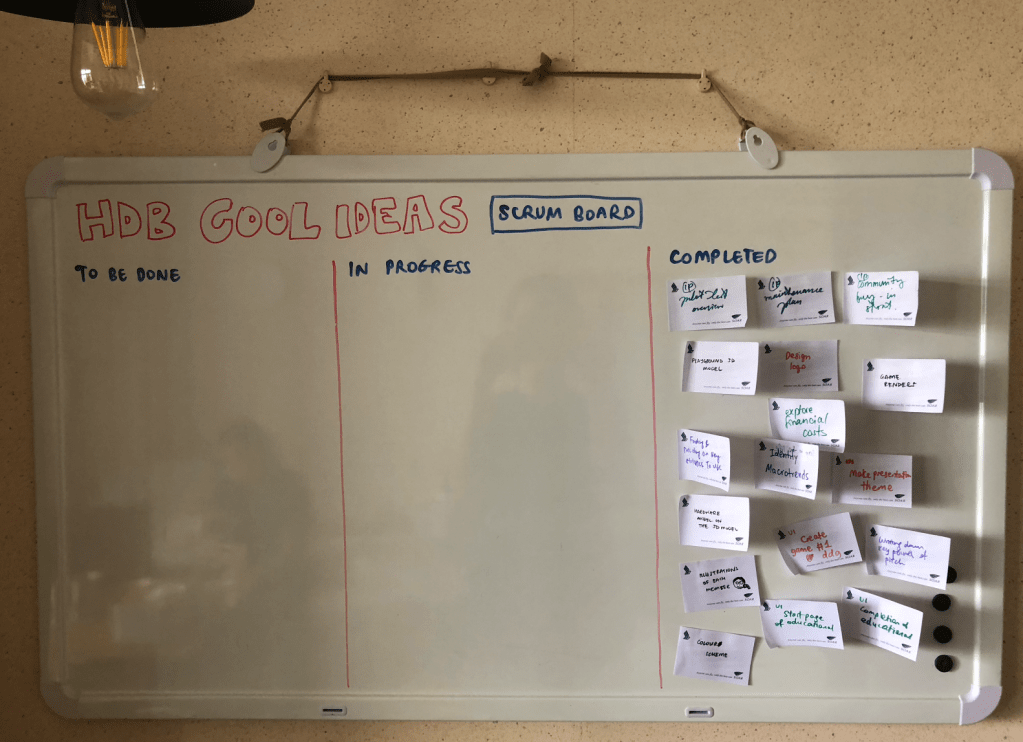
Co-creator, UI/UX designer and researcher, Scrum master
Date:
September 2020
Problem statement
As part of the Housing Development Board (HDB)’s Cool Ideas hackathon, we were tasked to solve problems in Singapore’s heartlands, that could leverage on the infrastructure of our public housing. Over 80% of Singaporeans live in this public housing (also known as HDBs), and beyond providing apartment units, they house void deck space, nursery and elderly home space, coffee shops, grocery stores, playgrounds, parks, and so on.
My team thought about how few children were using playgrounds in recent years, sticking instead to using smartphones and tablets indoors.
The trend towards playing indoors is detrimental to a child’s mental and physical health, and exposes them to cyber risks. It’s a known problem that other parts of the world face. In Singapore, playgrounds are plenty within HDB estates, and these are resources to be leveraged.
Yet we recognized that playgrounds just couldn’t beat the immersive quality of video games. Hence, we went about finding a way to augment existing playgrounds to incorporate the responsive, immersive features that digital technology offers.
Design and development process
Hardware
Given that we were designing for playgrounds we had some constraints:
- Resilient to weather and kid’s hands
- Able to mount on and adapt to any existing playground
- Simple
- Interactive and multi-modal
We implemented two types of hardware: a screen with simple navigation buttons to provide output, and button modules fitted with multi-colour LEDs and speakers for users to interact with.
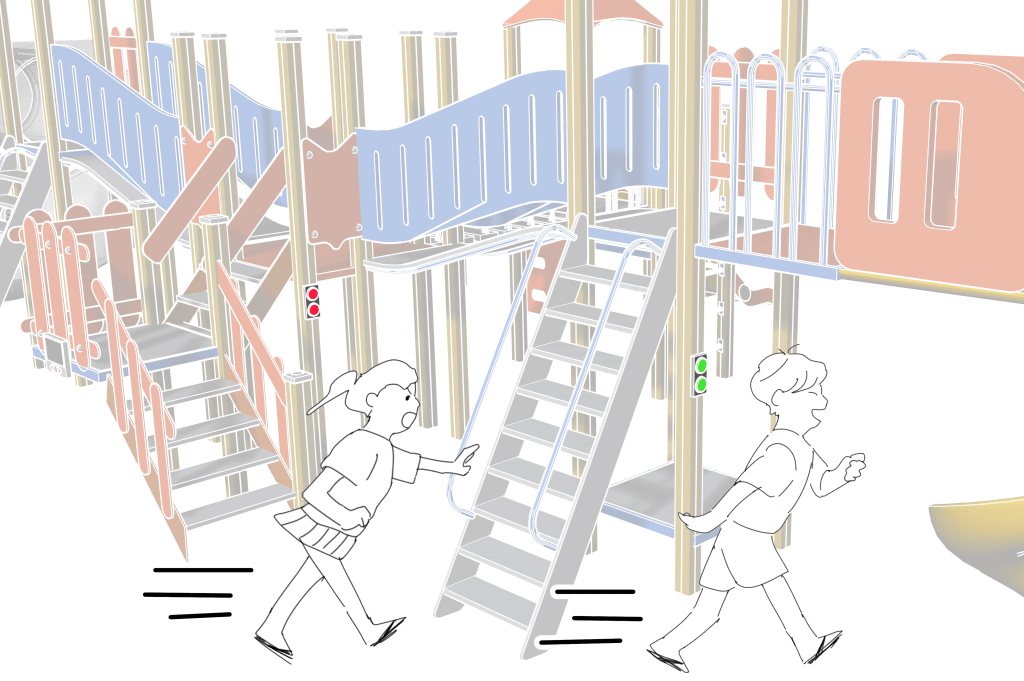
The button modules could be installed at different locations on the playground, encouraging children to interact with the entire space.
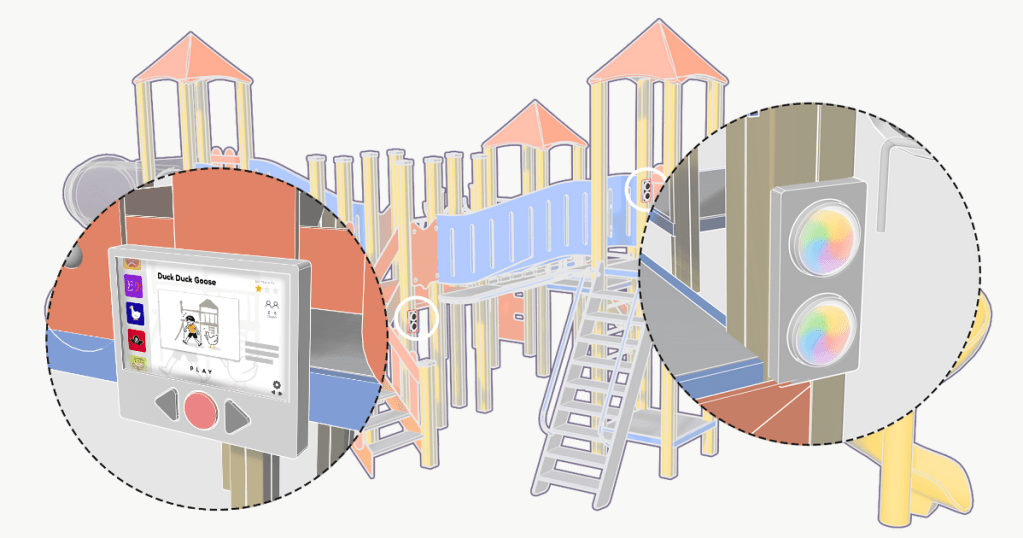
Software
Our system would store a variety of games catered to different ages, number of participants, and genres. We imagined different types of games, from simpler ones like Duck Duck Goose to adventure story-based games and a music-based rhythm games.
For my UI mock-ups, I had to simplify my designs for impatient kids.
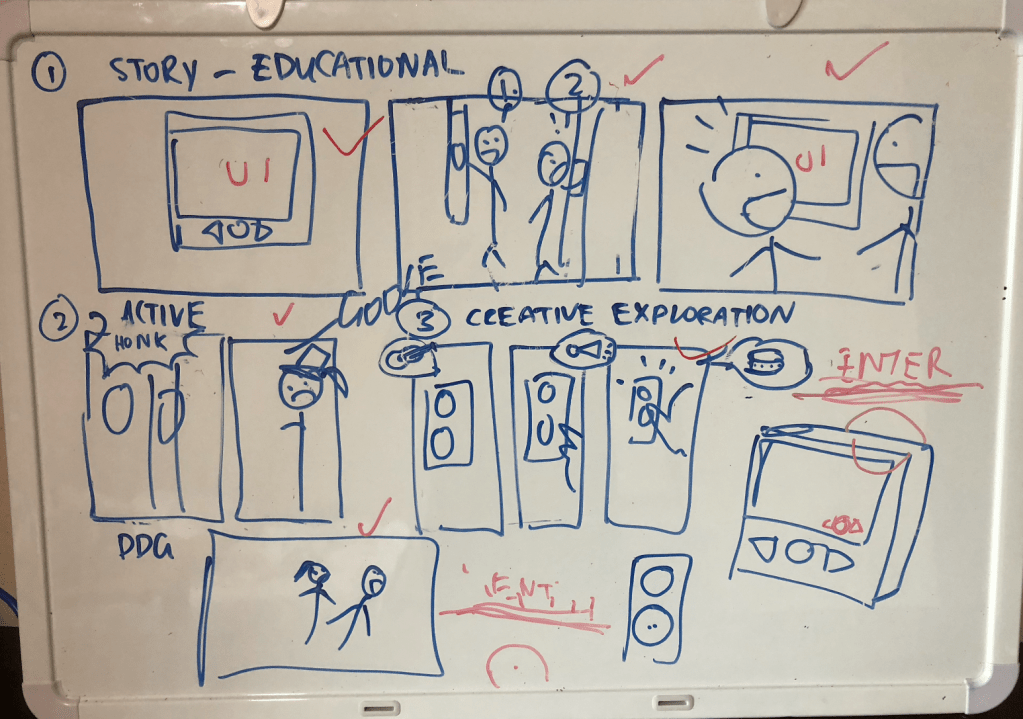

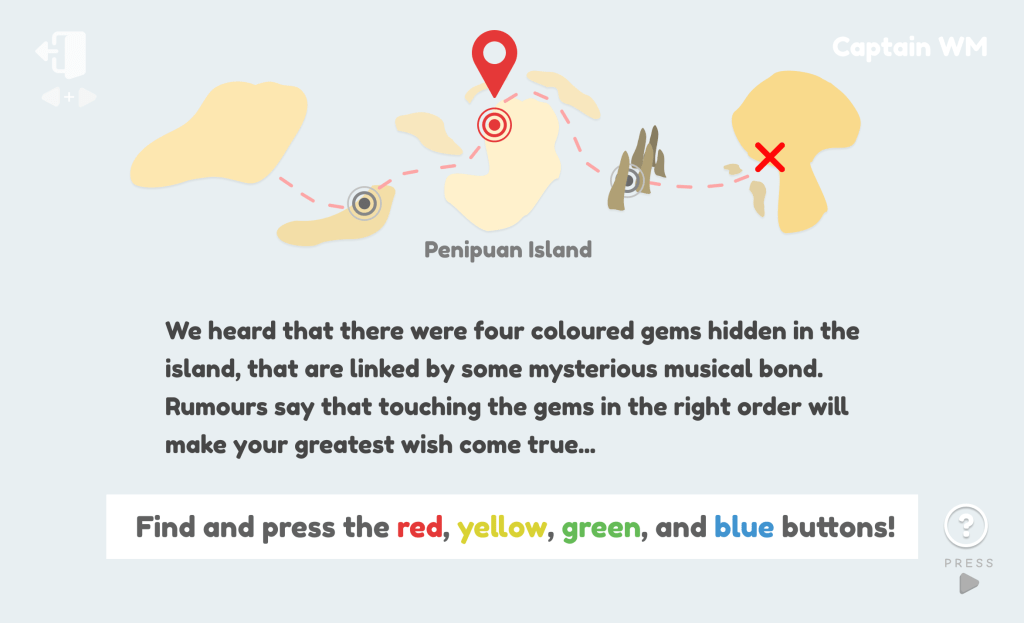

The programmability of digital games means that games can be updated and patched, and new games can be added. Workshops and hackathons can also be organised to get youth to create their own games and see them in action in the community.
Final product



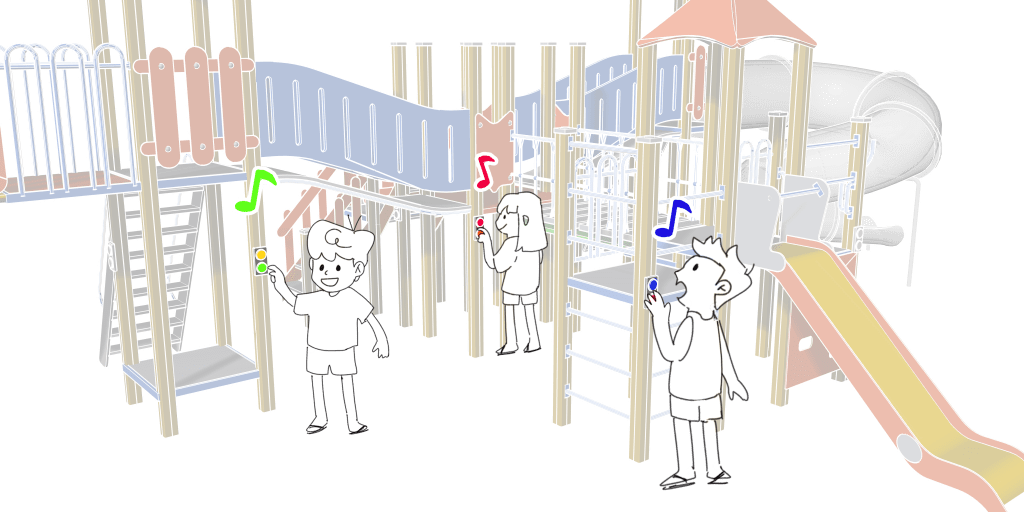


This project was the most fun I’ve had on a hackathon, because it didn’t just bring out my inner child, it put that child front and centre.
I couldn’t have done it without my amazing and multi-talented teammates: Charmaine, who designed all the 3D mock-ups and work closely with me for all visual assets; Shashvat and Gordon, whose background research and data analysis we depended upon, and Hsin, whose business expertise and presentation skills tied our project together.
 joy wang